⟪ back


Download Report
Wright Capital
2024 Impact Report

Wright Capital

In wealth management, we identify the best investment opportunities in both local and global markets, with a long-term view and a strong focus on preserving wealth. But whenever possible, we also ask ourselves: what impact are we leaving in the world? And how can we align our allocations with our clients’ values?
Staying optimistic has become increasingly difficult in recent times, especially when we think about the generations to come, who will suffer the consequences of our actions and omissions. Wars, climate change, inequality, pandemics, polarization, and misinformation are just some of the many crises impacting an already fragile world.
The global economy is undergoing a deep structural transformation, which will demand capital to fuel this change. Governments are increasingly constrained in their ability to respond to these challenges. And while the third sector works tirelessly to fill the gaps, it lacks the necessary resources. The private sector must step in.
Inequality has worsened: the poorest 50% of the global population own just 2% of the world’s wealth, while the wealthiest 10% hold 76%. In Brazil, the average net wealth per adult has increased over 375% since the 2008 financial crisis, yet we remain the third most unequal country in the world (World Inequality Report 2022).
Climate transition is an urgent priority, and the financing gap is estimated at US$ 1.3 trillion, according to the World Resources Institute. At COP29, countries pledged US$300 billion to support the poorest nations in coping with the negative effects of climate change by 2035. If we truly want to secure a future for humanity, we must mobilize private capital to bridge this gap.
To achieve the United Nations Sustainable Development Goals (SDGs) by 2030, between US$135 trillion and US$176 trillion will be needed. The war in Ukraine has only exacerbated a bad situation—deepening the energy and food crises, driving inflation, and forcing migration. And yet, there’s no shortage of capital: in 2022, global wealth reached US$463 trillion (Credit Suisse Wealth Report). What’s needed is a shift in how it is allocated—considering the planet and the lives it sustains.
If banks and private investors committed just 1% of their capital to sustainable solutions, we could achieve the SDGs, according to UN estimates. Unfortunately, the outlook has worsened, the cost of inaction continues to rise—and with it, poverty and inequality.
This affects everyone, including investors. The instability of the economic system leads to market instability. From a long-term perspective, this means that addressing these challenges and rebuilding a more resilient system is fully aligned with the interests of investors seeking to preserve their wealth for current and future generations.
There are countless ways to approach these issues, but only a few directions worth following. In this context, we must always ask ourselves: which path do we want to take? Should we act to make a difference—or not? And if we do have meaningful resources, how can we put them—at least in part—at the service of a better world? And if so, how should we rethink the way we manage our wealth?
In the following pages, we’ll share some of the steps Wright Capital has taken—together with our clients, managers, partners, and network—trusting that this is just the beginning of a much longer journey.
FERNANDA CAMARGO
ALEXANDRE LINDENBOJM

Focused on risk-return analysis, with potential consideration of environmental, social, andgovernance (ESG) factors—typically from a regulatory or compliance standpoint.
Goes beyond risk-return by incorporating ESG considerations into the investment decision-making process, using a range of methodologies. This category may also include thematic investments.
Seeks to solve social and environmental challenges by using traditional investment tools—always with clear intentionality and impact measurement. Accepts the possibility of below-market financial returns in exchange for measurable social or environmental value.
Prioritizes impact and is willing to accept greater risk. Financial sustainability is pursuedwhen feasible, but negative or concessionary returns may be accepted. This approachincludes models such as venture philanthropy and blended finance.
Aims to address social or environmental problems without financial return as a goal—though some services or products may generate revenue.

Impact investing refers to investments made with the intention of generating a measurable posi-tive social and/or environmental impact, while also achieving financial return. These investments can span a variety of asset classes, sectors, and geographies.
Impact investments may be made through vehicles such as venture capital, private equity, credit strategies, among others.
Impact businesses offer solutions to some of society’s most pressing challenges across sectors such as housing, healthcare and education, sustainable agriculture, renewable energy, environ- mental conservation, financial inclusion, and more.
According to the GIIN (Global Impact Investment Network1), investimentos de impacto devem ter três características fundamentais:

Impact investing ismarked by an intentional desire to contribute to measurable social and environmental benefits.

Investments should offer a return on capital — or at minimum, a return of principal.1

Impact must be tracked and reported in a transparent and structured way.
Impact investing in Brazil began to take shape in 2005 when Potencia Ventures, led by Kelly Michel, brought catalytic capital to create Artemisia, the country’s first impact accelerator. In 2008, along- side Antonio Moraes and Daniel Izzo, Kelly co-founded Vox Capital, Brazil’s first impact investment fund. Around the same time, Henrique Bussacos introduced Impact Hub to Brazil, and Leonardo Letelier launched Sitawi with its revolving funds. In 2012, MOV Investimentos, led by Paulo Bellotti, was founded. These were the foundational steps of the impact ecosystem in Brazil.
Global wealth reached US$463 trillion in 2022, according to the Credit Suisse Wealth Report. In contrast, the global impact investing market was valued at US$1.164 trillion by the end of the same year, according to the GIIN – that’s just 0.25% of total global assets.
In Brazil, according to ANBIMA, total financial assets reached R$9 trillion. When including microcredit, the impact investments totaled R$18 billion (roughly US$3.6 billion). This represents 0.20% of total assets in Brazil, 0.30% of global impact investments, and 0.004% of total global financial assets – in other words, almost negligible.
As Marco Gorini from Din4mo puts it:
“f we want to leave the world a better place, we need a civilizational shift. Whenever we talk about return, risk, and liquidity, we’re thinking about ourselves — or the institutions we represent. Only when we talk about impact are we truly looking at others.”
Most impact organizations are headquartered in developed markets, primarily in the U.S. and Canada (50%) and Western, Northern, and Southern Europe (31%). Only a small share is based in emerging markets: Sub-Saharan Africa (6%), Latin America and the Caribbean (3%), and Southeast Asia (2%).

The same GIIN report also shows that most investors say their investments met its expectations in terms of both generated impact and financial performance, with approximately two-thirds of respondents targeting risk-adjusted market returns. However, to meet these expectations, some managers invest in businesses that aren't truly impact-driven, leading to greenwashing and growing skepticism.
Globally, the sectors attracting the most capital include renewable energy, financial inclusion, microfinance, and healthcare. These investments are typically made through private debt instruments, private equity, or venture capital funds.
In Brazil, when we ask global institutions why they invest in impact locally rather than channeling capital into Brazil, Africa, or Southeast Asia, we often hear the same reasons: "It's too risky," "currency volatility," "small funds," "political instability," "changing regulations". But we must ask: which part of the world isn't volatile right now?
For now, the most active sectors for impact capital are financial inclusion, education, food and agriculture, renewable energy, and healthcare—with most investments taking place through venture capital and credit.

Measuring impact is a structured process—one that begins with a clear definition of what "impact" means and extends to selecting the social and environmental challenges a project aims to address. From there, it involves building an impact thesis, collecting data, and publishing metrics.
Many organizations guide their impact investments using well-established frameworks—many of which share core principles. The most widely used include:
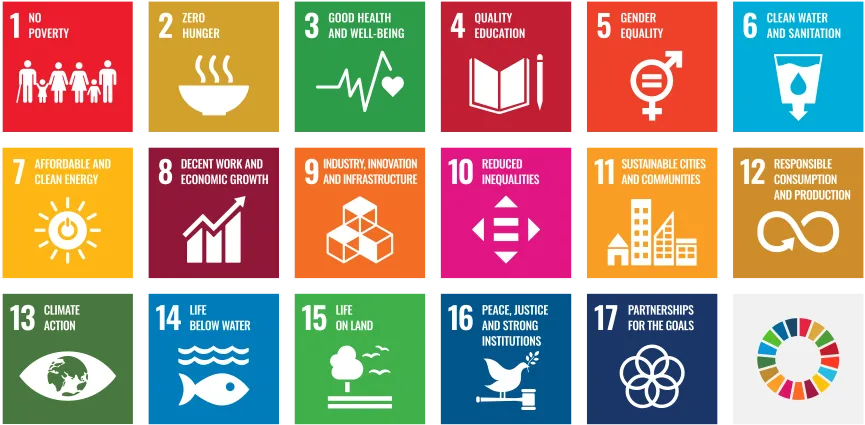
The 17 Sustainable Development Goals (SDGs) are a universal call to end poverty, protect the planet, and ensure that all people enjoy peace and prosperity by 2030.
A collaboration among leading providers of sustainability standards and guidelines, coordinating efforts to integrate impact management practices. Its main contribution was the creation of the Five Dimensions of Impact:
What: The scale of the impact and how significant the outcome is for stakeholders.
Who: Which stakeholders will be impacted by the outcome.
How much: The extent of the impact — specifically, how many stakeholders will be impacted, the depth of the change, and the duration of the impact.
Contribution: How significant the investors' efforts are in generating the impact.
Risk: The likelihood that the outcome will differ from expectations, including the risk of negative consequences.
Framework created by IFC (International Finance Corporation) and maintained by GIIN. Includes nine principles for impact management.
Launched in 2006 with UN support, it aims to assist institutional investors in integrating ESG issues into their investment decisions.
Once a framework is in place, the next step is to define the tools and metrics that will be used to assess impact and to determine the format for reporting. Today, several methodologies are available. The most prominent include:
The choice of each framework and tool depends on the context and objective of each investor.
In addition to the frameworks mentioned above, the Theory of Change has been widely used over the years by NGOs, public institutions, and investors as the main methodology for fostering an organized and critical reflection on the intended impacts and the conditions required to achieve them. It includes a definition of the chain of causes and effects that would generate the intended impact (for example, if we do A, then effect B occurs) and an analysis of how plausible and realistic those steps are. The Theory of Change encompasses three main dimensions:
Note: Respondents could select multiple answer options. ‘Other’ tools and systems include proprietary frameworks, Social Return on Investment, B-Impact Assessment. GG Protocol and the Sustainable Finance Disclosure Regulation.
Source: Impact Measurement & Management Practice. 2023 GIINSIGHT.

At Wright, we are strong advocates of Venture Philanthropy, an approach that combines financial and intellectual capital to create a long-term, high-engagement strategy aimed at generating positive social and environmental impact through impact investments. With a core focus on impact—while striving for economically sustainable models—we believe Venture Philanthropy provides the kind of capital that social enterprises need to gain time to prove their models and prepare to receive impact or even traditional investment.
When this concept arrived at Wright Capital in 2018, we immediately understood it was the right path to support countless social enterprises that often failed due to the lack of patient or catalytic capital.
Wright Capital took part in the creation of Latimpacto and is now a member of its Board. Latimpacto is the Latin American network for Venture Philanthropy. It promotes knowledge exchange on innovative and effective impact management, measurement, and financing models, while fostering connections, collaboration, and co-investment. Latimpacto connects the full capital continuum, prioritizing impact by using tools that link Latin America to a global movement of Venture Philanthropy networks. By mobilizing philanthropists and social investors, it aims to channel more human, intellectual, and financial capital into the impact ecosystem.
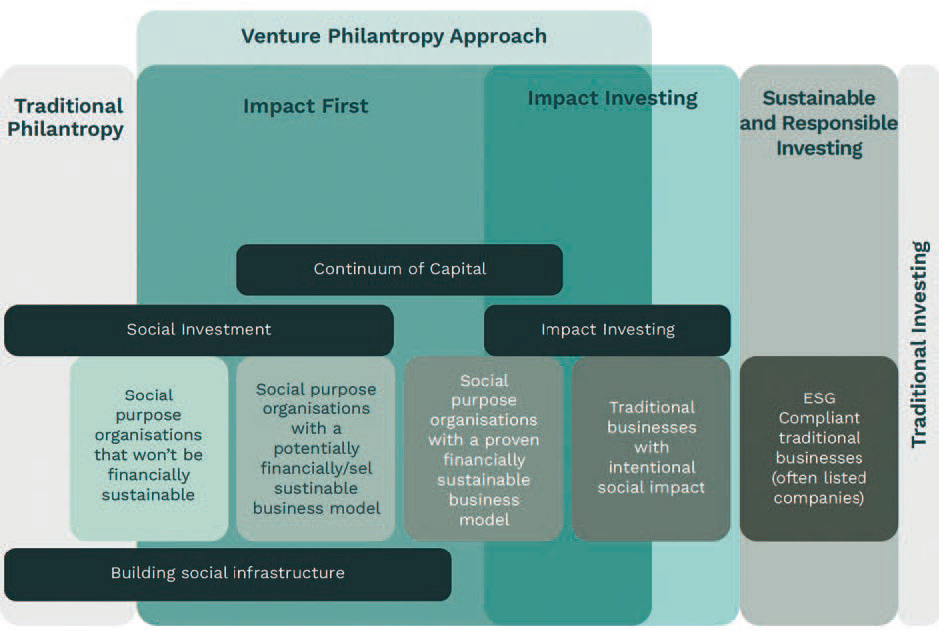
Three main practices are used in Venture Philanthropy:
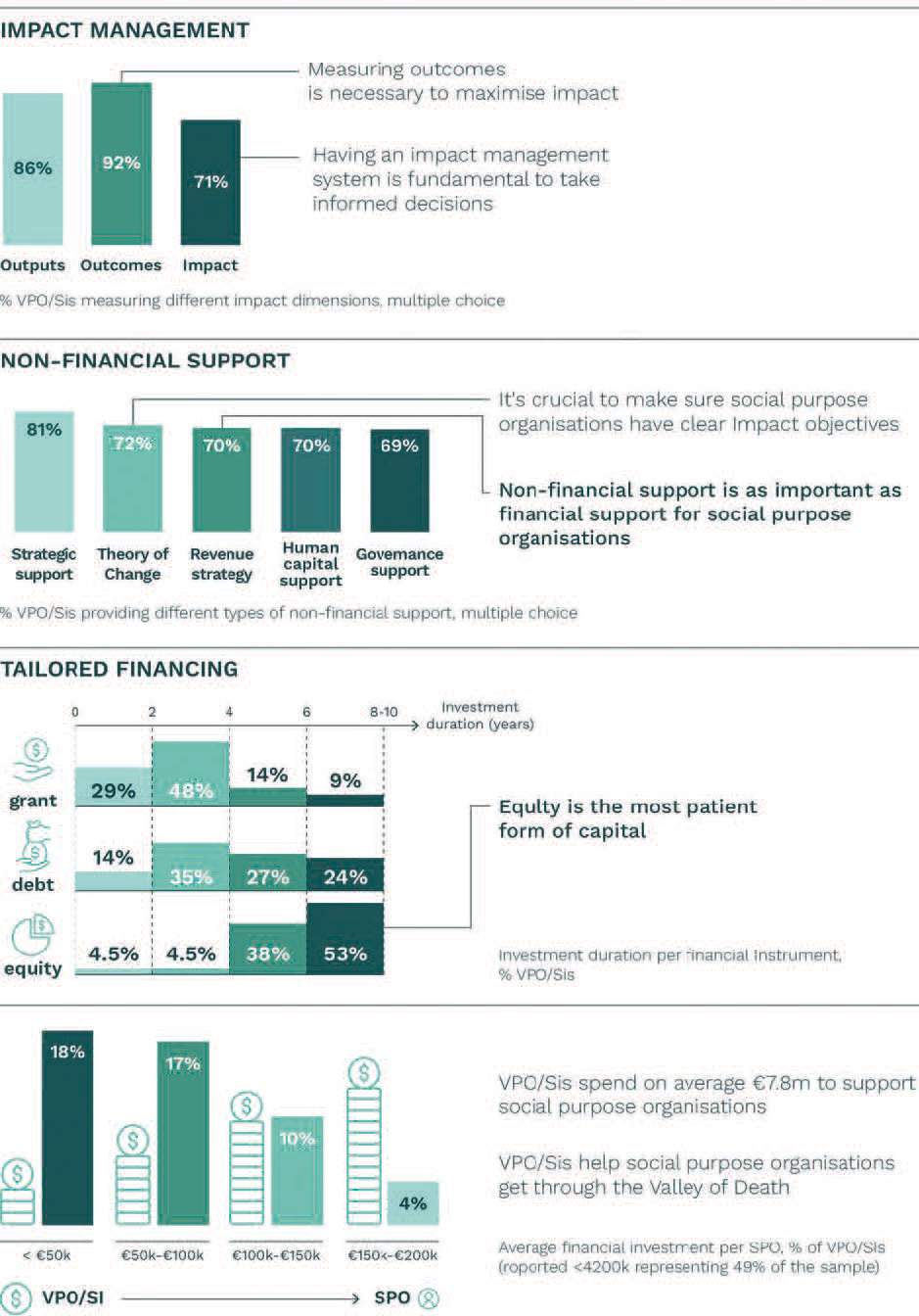

Blended finance, or hybrid financing, can be defined as "the strategic use of development funds (subsidized resources) to mobilize additional flows of commercial capital for sustainable development in developing countries" (OECD, 2017). These development funds—also referred to as philanthropic, concessional, or patient capital—have a catalytic role, aiming to balance risk and return and unlock private sector investment in sustainable development (LAB, 2022).
Blended finance allows organizations with different objectives to invest side by side, while still meeting their own goals—whether financial, socio-environmental, or both.
Blended finance operations can be structured through various mechanisms and investment formats. Among the most frequent uses of concessional capital in this context are subsidized resources (with below-market rates or non-repayable) to create a risk mitigation layer; grants aimed at project structuring; guarantees and insurance for the early stages of investments; debt; equity; pay-for-results mechanisms; and technical assistance (LAB, 2022).
Traditional investment from public and philanthropic sources is not enough to achieve the United Nations Sustainable Development Goals (SDGs): there is an annual funding gap of US$2.5 trillion. According to Convergence, a global blended finance platform, by using catalytic capital from public or philanthropic sources to boost private sector investment in developing countries, blended finance has the potential to increase investment by up to tenfold. Data from Convergence shows that blended finance has already mobilized approximately US$200 billion.
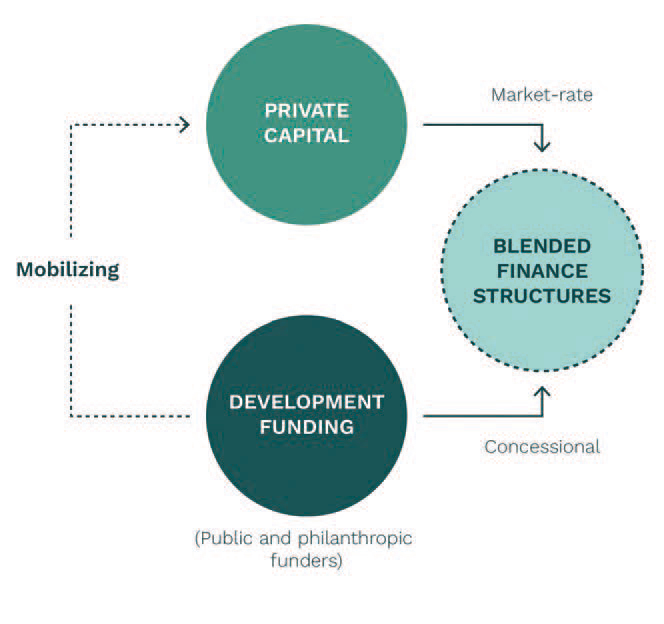
With global GDP around US$100 trillion in 2022 (The World Bank) and global wealth estimated at US$463 trillion (Wealth Report), what we face is not a shortage of capital—but a misallocation of it.
Blended finance encompasses different types of structures, each with distinct characteristics despite having similar objectives.

Fundo Vale: One of the most prominent players using blended finance and catalytic capital in Brazil. In its investment portfolio, Fundo Vale supported the Amaz Impact Accelerator, aiding businesses in areas such as financial and administrative management; the Fundação Certi's Amazônia Journey Platform; Conexão Povos da Floresta; Empreende Amazônia; and Latimpacto.
The fund also offered hybrid financial capital to initiatives such as Vale's Meta Florestal 2030 (seed capital), Sitawi's Peer-to-Peer Lending Platform, the AMAZ Impact Accelerator (investment fund), the Forest and Climate Fund by KPTL (venture capital), and Conexsus (via Pronaf, CCBs, and Green CRAs). Fundo Vale also invested in Belterra Agroflorestas, Caaporã Agrosilvipastoril, Bioenergia Orgânicos, ReGenera, Inocas, among others.
It played a key role in structuring innovations in Nature-Based Solutions (NBS) for Vale, including the creation of Biomas—a company focused on restoring, conserving, and preserving Brazilian biomes—and the incubation of Vale's Carbon Hub, a framework for the origination, development, and management of carbon and environmental asset projects, delivering social benefits for local communities.
It also supported matchfunding strategies (a hybrid financing model involving contributions from multiple sources) in partnership with BNDES: Garante Amazônia, a credit line for small rural producers and forest extractivists in the Amazon, and Floresta Viva, a non-repayable financing program for forest restoration projects.
Vivenda Program: Din4mo, in partnership with Grupo Gaia, pioneered blended finance in 2016 through the issuance of debentures for Programa Vivenda, a social housing renovation initiative aimed at working capital and credit access for low-income clients. The transaction raised R$5 million, with R$2 million coming from a philanthropic institute to form the subordinated tranche.
SOMA Project: Launched in 2022 by Din4mo, Grupo Gaia, and construction firm Magik JC, Projeto SOMA (Organized System for Affordable Housing) is a residential leasing program for low-income families in São Paulo. The transaction raised R$14.75 million through the issuance of a CRI (Certificate of Real Estate Receivables).
BNDES Blended: In late 2022, BNDES issued a public call for blended finance. In this first round, the bank allocated R$90 million in concessional capital—funds that can be deployed on a non-repayable basis—across three themes: forest bioeconomy, urban development, and circular economy. For every R$1 invested by BNDES, projects had to raise at least R$3 from other investors. The demand for this call reached nearly R$900 million. The variety of structures and types of participants was remarkable.
Wright Capital was founded in 2014, at a time when very few wealth managers allocated to impact-focused investments. From the beginning, we made the decision to work exclusively with families and institutions committed to some level of social or environmental transformation—which made impact investing a natural extension of our mission.
We began by allocating 1% of our clients' portfolios in Brazil to impact funds. Today, that figure has grown to between 2% and 4%, and we apply ESG criteria as broadly as possible across the remaining 96%. To achieve this, we became active advocates—engaging families, companies, managers, institutional investors, government representatives, and regulators in deep conversations about how to align capital with values and life goals. In doing so, we sought more than financial returns—we sought to build a legacy, in partnership with our clients and business allies.
Ten years after our founding, we've learned that this journey hasn't been ours alone—it's also been embraced, to varying degrees, by all of our clients and partners.
At Wright, we invest exclusively through fund managers. When we started, the only active impact managers in Brazil were Vox Capital and MOV Investimentos. We quickly understood that if we wanted more options, we needed to help build the ecosystem ourselves.
To allocate this share of our clients' capital, we created a dedicated impact investment vehicle. And to demonstrate skin in the game, we waived the management fee on our first impact fund.
We took a conservative approach, setting expectations for below-market returns, and explained to our clients that—even if everything went wrong—this 1% allocation could still change millions of lives without affecting their own.
To help make it work, we supported managers in areas such as organizational structuring, product development, and fundraising. We also connected Brazilian fund managers with major global private equity funds to exchange ideas and expertise.
We became involved with managers and other investors; we participated in the CVM's Innovation Lab, the ANBIMA board, working groups for sustainable investment and diversity, the ENIMPACTO (a federal inter-ministerial initiative), the B System, and other efforts. We also hosted numerous gatherings and events to help grow this movement.
As a new approach in Brazil, this path was never easy. Genuine impact funds from independent managers still face challenges in fundraising. Many banks and platforms require rebates to distribute funds. But because these are small funds, paying such fees would leave little to compensate their teams. Most therefore raise capital without using distribution platforms.
Large private banks and allocators only invest in impact when specifically requested by the client, and impact funds rarely make it onto mainstream platforms. The usual reasons include small fund size, longer time horizons, lower expected returns, and limited understanding of what impact means. To meet rising demand for this kind of product, many institutions ended up launching their own "impact" funds—with more competitive return targets, looser impact metrics, or exposure to funds based abroad.
Respecting our fiduciary duty, we follow a rigorous due diligence process when investing in impact. Since we always invest through fund managers, our analysis focuses on the quality of the management firm, the alignment of its partners, the seniority of the team, the product structure, return objectives, impact metrics, internal processes, and, whenever possible, the track record.
In Brazil, it is not yet possible to build a fully diversified impact portfolio across all asset classes. Most funds fall within venture capital or private credit, with some opportunities beginning to emerge in private equity.
Beyond the factors mentioned above, we also assess the following aspects:
To quantify our impact, we also use the United Nations Sustainable Development Goals (SDGs) as a guiding framework, as we'll explain ahead.The companies we invest in can contribute to achieving certain SDGs, though they are not always strictly oriented toward those targets. Some of the funds we invest in are thematic, but most work across multiple areas such as health, housing, education, financial inclusion, renewable energy, among others.
The percentage allocated to impact investing has helped to transform the lives of millions of people.
It has also positively helped to impact the environment with:
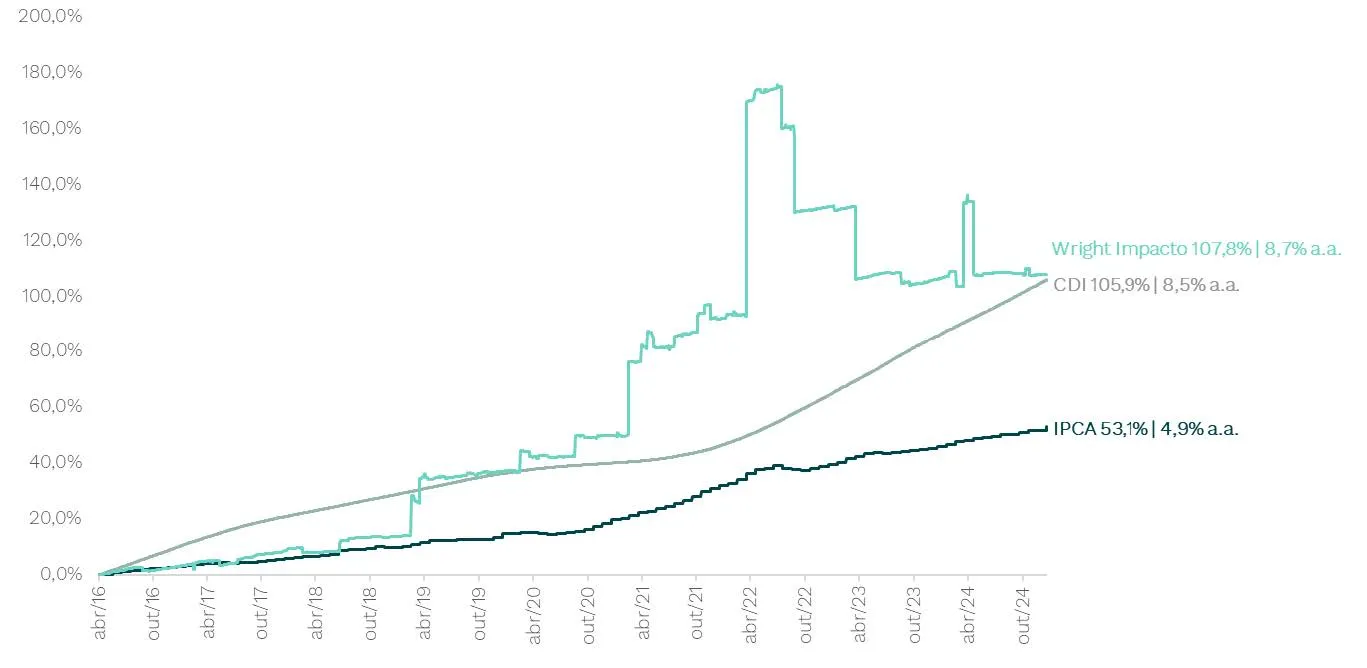
Launched in 2016, Wright Impacto I is Wright's first fund of funds investing in vehicles with sustainable objectives and a clear focus on generating positive social and environmental impact. In terms of asset classes, 87% of Wright Impacto I is allocated to Venture Capital funds and 13% to Credit funds.
From inception to December 2024, Wright Impacto I delivered a cumulative return of 107.8%, compared to a cumulative CDI of 105.9%.
Over this period, we experienced both moments of expansion and crisis—including the Covid-19 pandemic. Wright Impacto I's portfolio has proven to be resilient and impactful, delivering both financial and social-environmental outcomes. Some of the portfolio companies in Wright Impacto I have grown precisely because they set out to solve critical issues in society.
Founded in 2009, VOX is one of the pioneering impact investment firms in Brazil. VOX believes in a new way of investing—one that goes beyond assessing risk and return and intentionally focuses on impact. The firm specializes in Venture Capital and Credit strategies.
VOX has launched three Venture Capital funds: VOX I, VOX II, and Vox Tech for Good Growth I. It also launched four Corporate Venture Capital funds: Aravá (in partnership with Hospital Albert Einstein), BB Impacto ASG (with Banco do Brasil), Copel Ventures, and Natura Ventures. It has also structured credit vehicles, such as Vox Desenvolvimento Sustentável.
VOX grew 4.7x between 2020 and 2023—up 51% in 2023 alone—reaching over R$1 billion in assets under management (AUM). Its startups grew revenues by over 70% compared to the previous year, and the combined valuation of its 19 active portfolio companies is close to R$4.5 billion.
In Wright Impacto I, we are exposed to VOX II. Both performance and impact have been driven primarily by investments in Celcoin and Sanar.
R$22 billion
in facilitated transactions
Celcoin
Financial inclusion

Over
R$200 Million
in financing for students
Sanar
Education

Over
970 million
transactions completed across Brazil
Celcoin
Financial inclusion
57,500
active students in online healthcare courses
Sanar
Education
Celcoin was founded in 2016 to democratize access to financial services for millions of Brazilians. Its first product was a prepaid digital account, accessible via app, that allowed users to perform various services such as bill payments, top-ups, transfers, and more.
The company was a pioneer in acting as a major provider of open infrastructure for banking and financial services. In this model, any company can connect to Celcoin's services via APIs (Application Programming Interfaces) to build new user experiences and offer features (once exclusive to large banks) simply and quickly.
Celcoin serves digital banks, fintechs, retailers, and other players. One of its main impacts lies in enabling payments through small businesses across Brazil. Today, it ranks as the 11th largest payment institution in Brazil by TPV (Total Payment Volume), processing over R$22 billion monthly.
A major impact of Celcoin has been facilitating access to payment services for people living in remote areas underserved by banks or lottery houses. Many people, especially in rural towns, must travel long distances just to perform basic transactions.
This is just the beginning of a long journey, largely driven by two trends:
In 2024, reinforcing its activity, Celcoin completed a fundraising round of R$650 million, led by Summit Partners, a global growth equity fund. The deal valued the company at R$1 billion pre-money, double the valuation of its last round in 2022. The investor is strategically relevant for Celcoin, placing the company on a path of high growth and development.
+ R$22 billion
transacted monthly in Q12024
+ 970 million
transactions across Brazil in H1 2024
+ 6,000
clients including digitalbanks, fintechs, and othercompanies in 2023
2,700
Brazilian cities with Celcoinagents in 2023
R$36 million
in extra income generated for Celcoin agents in 2023
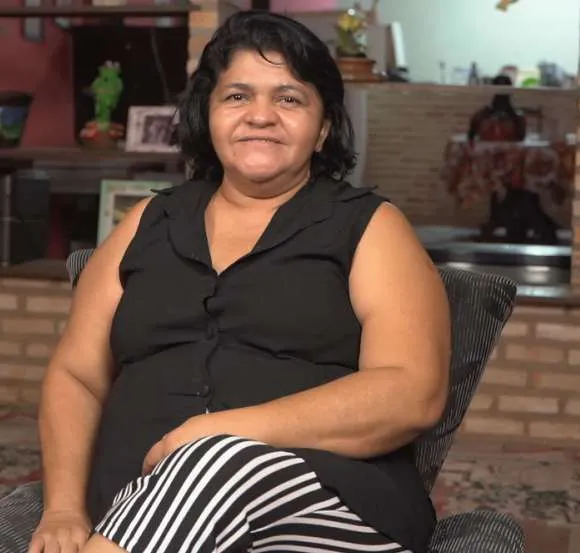
Magaly Muniz is a micro-entrepreneur who is part of Celcoin's agent network. These agents, like Magaly, act as banking correspondents and carry out bill payments and mobile phone top-ups in more than 2,500 cities.
Magaly lives in Caponga (Ceará state), which is 63 km from Fortaleza. In her town, there are no bank branches and only one lottery house. Her service saves the community both money and time.
“PFor people to leave Caponga to pay an electricity bill in Cascavel (14 km away), they spend on average R$16 using informal transportation. Buses don't have a set schedule. Imagine that the bill is often R$32!”
Celcoin's solution expands access to financial services for underserved populations while generating income for local agents. This impact is significant, especially when 35% of Brazil's 5,570 municipalities still lack banking infrastructure.
1 Source: Caleidoscópio – Vox Capital. Video with Magaly's testimony.
Sanar is an edtech company that delivers high-quality, accessible content to students and healthcare professionals. Its online platform offers tools to support professional development, helping users become more effective and empowered throughout their careers.
To date, Sanar has impacted the lives of more than 300,000 doctors and medical students.
Its core product, SanarFlix, supports medical students with tailored digital content for clinical practice. Sanar also operates Yellowbook, an online resource for general practice physicians, and has launched a pilot program to offer financing solutions for students.
Sanar's role is crucial in Brazil, given the tremendous inequality in access to medical services. While metropolitan areas, especially in the South and Southeast regions, are well-served by doctors, the doctor-to-population ratio in the interior of the North and Northeast regions is still very low. Democratizing and facilitating access to quality medical education and supporting doctors in their careers is one of the main challenges to improving healthcare in Brazil.
Sanar began as a publisher of books for medical students but quickly recognized the enormous potential to offer quality content through more accessible tools. Since then, the startup has expanded its operations. "It became clear that with education, we created a relationship with doctors, and we decided to strengthen and expand it to provide full support throughout their professional journey," says Ubiraci Mercês, CEO and co-founder of Sanar.
After eight years of operations, Sanar is evolving into a comprehensive ecosystem to support both the academic and professional development of healthcare workers. What began as a content platform is now becoming a full-service partner for doctors across Brazil. Sanar's mission is to maximize the quality of healthcare in the country.
Launched in 2018, SanarFlix was the company's first digital product—offering affordable, on-demand, multi-platform content. Today, it serves nearly 70,000 students, up from just 4,000 when Vox Capital made its first investment. The platform covers a wide range of topics, from surgery and anesthesiology to diagnostics and anatomy.
In 2019, the company launched Sanar Medical Residency, an online preparatory course priced at just 10% of competitors. In 2022, it broke records by helping over 2,000 students earn spots in residency programs.
Social impact is embedded in every product Sanar develops. Its model is rooted in listening to the needs of Brazil's diverse population and engaging directly with the healthcare community. The company's core outcomes include boosting self-confidence in professional practice, improving the quality of care, and reducing barriers to medical education caused by social and geographic inequality.
57,000 Students
enrolled in online healthcare courses
R$200 million
in financing provided to students by May 2023
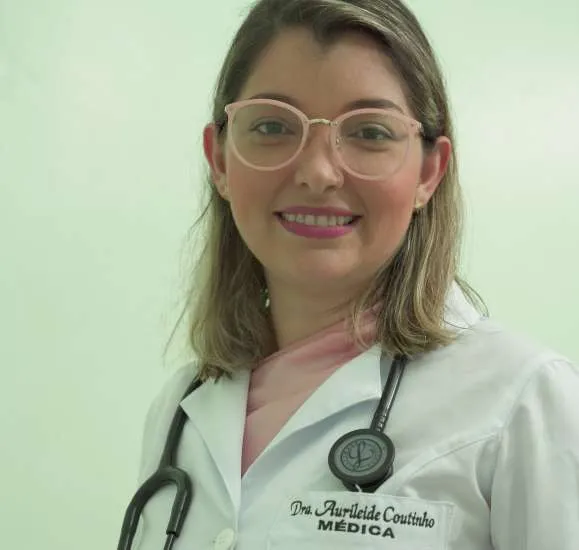
Among those admitted is Dr. Aurileide Coutinho, from the Bengui neighborhood in Belém (PA), mother of three, a nurse who recently graduated as a doctor and was accepted into Internal Medicine residencies at both the Federal University of Pará (UFPA) and the State University of Pará (UEPA). She saw Sanar's residency courses as a high-quality and affordable option for her life circumstances.
“Sanar demystifies studying for real-life adults, who are no longer just students but have families and people depending on them. We often put these mental barriers up, thinking we can't study anymore because there's no time. But it doesn't have to be that way.”
– explains Aurileide.
MOV Investimentos is an impact investment fund manager founded in 2012. Since its inception, the firm has launched two funds, invested over R$72.5 million, evaluated more than 2,000 businesses, and invested in 10 companies. For every real invested by MOV, an additional R$3.83 was mobilized from co-investors and long-term partners, totaling approximately R$5 billion in investment in its portfolio companies.
According to MOV's latest impact indicators, by mid-2024, its portfolio companies had created over 1,000 jobs, improved the lives of 8.5 million people, conserved 2.5 million hectares of land (equivalent to 4.3x the size of the Federal District), avoided the emission of 11.4 million tons of CO₂, and contributed to the development of at least 15 public policy initiatives.
Launched in 2015, the first fund (FIP MOV I) focused on three main themes: forests, sustainable cities, and education. A total of R$59 million was invested across 7 companies. These companies helped develop 15 public policy proposals and created three entirely new markets in Brazil: land tenure regularization, distributed solar energy, and the production and trading of carbon credits.
2.5 million
hectares
protected
Biofílica Ambipar
Environment

11.4 million
tons
of CO2 avoided
Biofílica Ambipar
Environment
R$181.2 million
saved on electricity bills
Órigo
Energy

386 mWp
of installed capacity sold
Órigo
Energy
446,000
tons of co2E
emissions avoided
Órigo
Energy
58,700
tons
of materials recovered
Triciclos
Recycling

28,300
hectares
of avoided deforestation
Biofílica Ambipar
Environment
R$113 million
transferred to partners andcommunities
Biofílica Ambipar
Environment
2,400
isolated families transitioned from diesel to solar energy
Órigo
Energy
R$1.6 million
in donated energy to non-profit organizations
Órigo
Energy
115,000
families undergoind land regularization processes and R$1,3 billion in revitalized assets
Terra Nova
Housing

5 Million
students reached in publicschools
Por A + B
Education
Founded in 2008, Biofílica Ambipar Environment aims to be the world's leading company in Nature-Based Solutions. Biofílica develops carbon credit projects that promote forest conservation, ecosystem restoration, and sustainable forest valorization. Its main mechanism is REDD+, which links forest conservation with sustainable economic models such as forest extractivism and sustainable forest management. Today, Biofílica manages the world's largest certified portfolio of voluntary carbon credits from native forests—equivalent to approximately 1.5 million football fields preserved.
The company is also Brazil's national reference for legal reserve compensation and operates in every biome of the country. Landowners with surplus legal reserves can offer portions of their land on Biofílica's platform to help other landowners offset their environmental liabilities. This allows producers to regularize land ownership, avoid fines, and access various public and private support programs.
11.4 million
tons of co2
avoided up to Sep/2024
2.5 million
hectares
conserved up to Sep/2024
Órigo is a renewable energy company that has delivered more than 386 MWp in installed capacity. Founded in 2010, it is Brazil's largest company for shared distributed solar generation, operating projects across the country. Órigo offers customers a solar energy subscription model that enables them to save on their energy bills without needing to invest upfront or change their homes or businesses. In doing so, Órigo democratizes access to clean energy, increases the installed base of renewables in Brazil, and delivers real savings to its clients.
In 2023, the company accepted a R$1.52 billion capitalization proposal from I Squared, a private equity manager focused on global infrastructure investments. As of 2023, I Squared had more than US$37 billion in assets under management and over 77 investments worldwide. With this capital, I Squared became Órigo's majority shareholder, holding a 49% stake—a major milestone in Órigo's growth journey.
386 mwp
of renewable energy capacity installed and sold
R$ 118.2 million
in electricity savings for Órigo’s clients

Órigo led one of the largest social inclusion energy projects in Latin America through the federal program "Luz Para Todos" (Light for All) in the Amazon Rainforest, state of Pará. The company conducted the technical study and installed solar systems with battery storage for the riverside community of 2,500 people in Porto de Moz.
Previously, electricity was only available from 6 p.m. to 1 a.m., powered by diesel generators—an expensive and polluting solution, costing R$400/month in fuel alone.
With the installation of 10,000 solar panels and multiple storage batteries, the community now enjoys reliable, clean energy access—enabling everyday essentials like refrigeration, cold drinking water, and television to function throughout the day.

Positive Ventures is an impact investment firm founded in 2016. The firm manages two venture capital funds, Positive DIF I and II, with over $45 million in assets under management.
The firm views impact investing as a generational force capable of reshaping the global economy. By leveraging social and environmental factors, Positive evaluates opportunities to disrupt the status quo. Its mission is to ensure that impact capital drives the transformative change needed for a more just and sustainable Latin America.
Positive backs companies committed to tackling major social and environmental challenges through technology. Tech-enabled solutions help scale successful business models faster, amplifying both impact and financial return. The Decisive Investments Fund I portfolio is diversified across sectors and business models. In addition, Positive also invests in early-stage startups through pre-seed and seed funding rounds.
2 million
medical tests performed
Labi
Health

612,000
medical reports issued
Neomed
Health
22,000
average monthly students reached
Slang
Education
2.6 million
job opportunities generated
Worc
Reducing Inequalities

14,500 hectares
of land prepared forreforestation and conservation
Pachama
Environment
40%
reduction in test prices compared to traditional alternatives
Labi
Health
4,000
women served with specialized gynecological care
Oya Care
Health
170,000
students reached through technological education initiatives
Letrus
Education
1.3 million
carbon credits booked
Pachama
Environment
2 million hectares
of tropical forests protected
Pachama
Environment
Pachama is an environmental technology company that provides services for the creation, verification, monitoring, and sale of carbon credits from forest conservation and reforestation projects. Since its founding, Pachama has helped finance initiatives that contributed to the restoration of more than 10,000 hectares of land and the conservation of over 2 million hectares of native forest worldwide.
Pachama was founded by Latin American scientists in Silicon Valley in 2018, in the Redwood forests of California. The team combines experience in science, technology, and operational excellence, with members who have worked at organizations like NASA, Google, SpaceX, and Tesla.
Driven by the mission of protecting the planet ("Pachamama," or "Mother Earth"), and disrupting how carbon markets operate, Pachama leverages technology to bring transparency, scalability, and trust to the voluntary carbon market. In addition to working with trusted partners, it supports the entire carbon credit lifecycle—from project design to forest monitoring and credit generation—connecting landowners, forest conservation initiatives, and buyers to ensure verified impact and scalable outcomes.
Through the use of advanced software, satellite imagery, radar data, machine learning, and artificial intelligence, Pachama brings transparency and efficiency to the carbon market. It reduces transaction costs and increases credibility by leveraging the power of data. The company helps landowners generate revenue from forest conservation by providing technical support and offering a marketplace for their carbon credits.
1.3 million
carbon credits certified by 2023
14,500 hectares
prepared for reforestation and conservation by 2023
2 million
hectares
of tropical forests protected by 2023
Letrus is an edtech startup offering solutions for education through a platform focused on developing writing and reading skills. It combines educational technology with artificial intelligence to assess student essays. Since its founding in 2017, the tool has been used by more than 180,000 students and 1,500 teachers in both public and private schools across all Brazilian states.
The company is transforming language education through technology—empowering students, enhancing autonomy and engagement, and strengthening the strategic role of teachers in the classroom. Letrus promotes student and family involvement in the educational process, working to reduce learning gaps across public and private schools.
In 2019, Letrus was recognized by UNESCO as one of the world's most innovative education technologies and received academic endorsement from both the Massachusetts Institute of Technology (MIT) and Fundação Getulio Vargas (FGV). In 2024, it received R$5 million in funding from USAID to conduct an impact evaluation in partnership with the government of Ceará, focused on the program's effect on student reading and writing outcomes. That same year, the company also became the subject of research at Harvard University.
640
schools served, 44% of which are public
170,000
students impacted
810,000
essays reviewed using AI

Yunus Social Business is a global organization created by Nobel Peace Prize laureate Professor Muhammad Yunus and his partners, operating in Latin America, Africa, and Europe. In Brazil, Yunus provides low-interest loans and support to social businesses, focusing on organizations capable of solving social or environmental problems while generating revenue to be financially sustainable and scalable.
Yunus supports social businesses that prioritize people and the planet, reinvesting profits back into operations or into new initiatives to expand the positive impact generated. Its activities are supported by a global network of partnerships and alliances that include investors, governments, development agencies, private sector players, and the third sector.
The main objective of the Brazilian branch is to mobilize capital to finance social businesses in areas such as health, education, sanitation, renewable energy, and financial inclusion.
16,200
students using the platform
4you2
Education
103,000
students graduated from thecourse
Escola do Mecânico
Education
1,540
people found jobs as “chapas”
Meu Chapa
Reducing inequalities
35,000 tons
of waste redirected for reuse
Muda
Recycling
3.4 million
telehealth consultations and test analyses
Portal Telemedicina
Health
3,000
jobs created
99jobs
Reducing inequalities
385 hectares
regenerated
Assobio
Environment

1.9 Million students
wrote their own books
Estante Mágica
Education
10,000 tons
of organic waste used for composting
Morada da Floresta
Recycling
5,500 soccer
fields
(hectares) regenerated
PlantVerd
Environment
387,000
students impacted
Redação Online
Education
279,000
students reached
Portábilis
Education

FIDC Green Solfácil Angá invests in solar energy by financing the purchase and installation of solar power generation systems for homes and small and medium-sized businesses, with an average ticket of R$33,000.
The investment in Empírica Vox was a credit strategy invested through Wright Impacto I. This fund was created as a partnership between two well-established firms in their fields: Empírica in credit, and Vox in impact.
Empírica Vox was a fund of funds that invested across various sectors, including student financing (3R Educacional), SME financial inclusion (BizCapital and Banco Ioson), and clean energy generation. In July 2023, the fund was liquidated due to challenges in raising additional capital to continue the strategy.

To continue our mission and maintain allocations in impact funds, in 2021 we launched Wright Impacto II. In this allocation, we invested in Vox Tech for Good Growth, MOV II, Positive Ventures DIF II, GEF, Rise Ventures, and FIDC Estímulo.
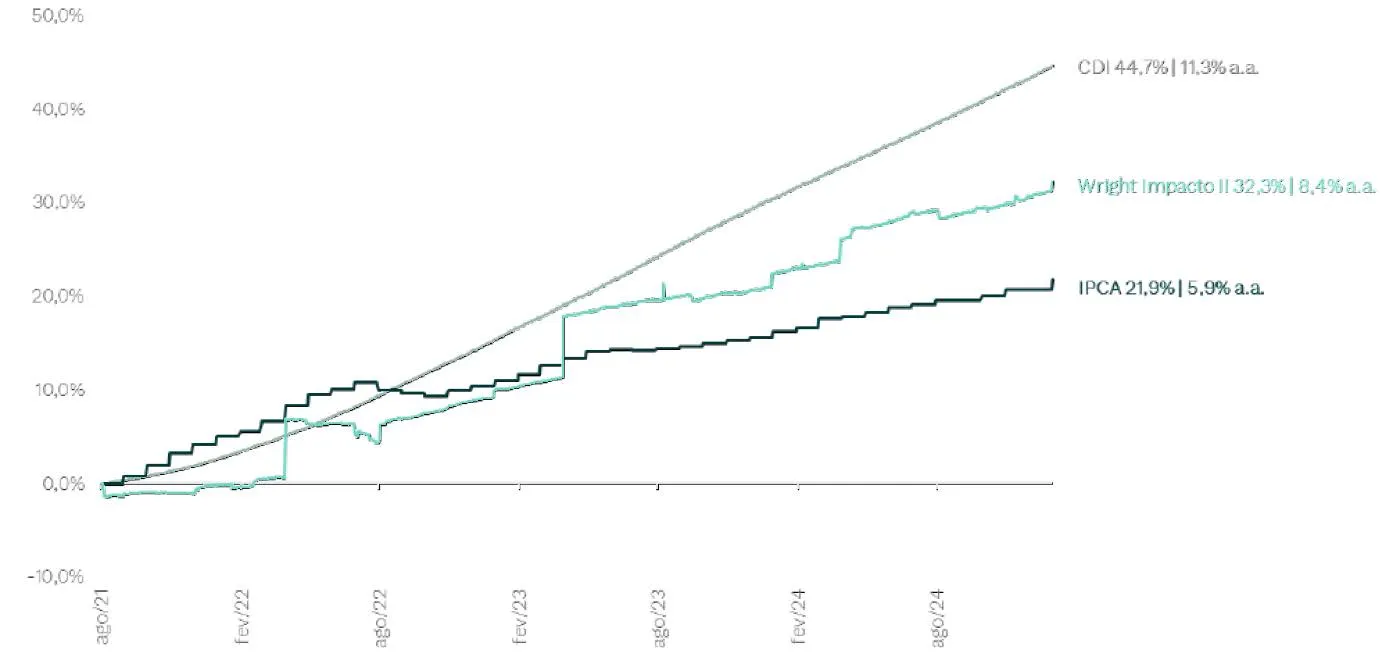

Vox Tech for Good Growth (TFGG I) is the third impact fund created by Vox. Like the previous funds, it does not concentrate the portfolio on a specific investment thesis but seeks businesses that can be leveraged through the use of technology. In 2023, the fund remained in its investment phase.
7,700 toneladas
of CO2 emissions avoided
Nude
Agribusiness & Food
13,000
consultations focused on men’shealth
Omens
Health
3,600
students enrolled in CubosAcademy
Cubos
Education
170 tons
of GHG emissions avoided
Octa
Industries

189,000
medical consultations carried out
IsaLab
Health
129,000
small and medium producers using the platform
Seedz
Agrobusiness & Food
74%
employability rate among students up to 12 months after course completion
Cubos
Education

It is estimated that 85 million jobs will disappear by 2025 due to a shift in the composition of work between humans and machines, while 97 million new positions adapted to this context will emerge¹. Many professionals will need to retrain with new skills to fill job opportunities in the technology sector.
Cubos Academy is a school that aims to train students in technology and prepare them for the job market. The company offers short to medium-term courses focused on programming and technology careers.
Currently, Cubos offers Software Development, UX/UI Design, and Product Manager courses, serving both B2C and B2B business models, offering courses in partnership with large technology companies. The main revenue source in the B2C model comes from Income Share Agreements (ISA), which is a student financing structure that allows students to pay for their education only once they are employed.
Cubos has 3.6 thousand active students and, throughout its history, has supported more than 100 thousand students through free content, events, courses, and financing.
1 Source: World Economic Forum – Future of Jobs 2020.
3,600
active students on the Cubos platform in 2023
74%
was the employability rate among students up to 12 months after completing Cubos courses in 2023

GEF Capital Partners Latam is a Private Equity fund manager that invests in companies capable of tackling challenges related to climate change while promoting positive social impact. The organization was established in 2018 as a spin-out from the Global Environment Fund, a global pioneer in sustainability and investment focused on environmental issues in emerging markets and the United States.
The GEF Latam Climate Solutions Fund is the first thematic fund invested by Wright Capital. Its focus is on energy transition, shifting from fossil fuels to renewable energy, and improving energy management efficiency.
197 MWP
of installed renewable energycapacity
HCC Solar
Energy
38.4 GW
of capacity served
Automa
Energy
23,500 tons
of CO2e1 emissions avoided
Ler Plásticos
Recycling
1.6 Million m3
of treated effluents
GR Química
Industries

36,500 tons
of CO2 emissions avoided
HCC Solar
Energy
48,500 tons
of CO2 emissions avoided
Automa
Energy
33,500 tons
of plastic recycle
Ler Plásticos
Recycling
Lar Plásticos is a fully integrated recycled plastics platform responsible for supplying post-consumer plastics and selling finished plastic products. Founded in 2011, the company has distribution centers and strategically located plants to meet the growing demand for recycled resins in Brazil.
With the growing pressure for sustainable practices, Lar Plásticos is well-positioned to capitalize on this trend of adopting post-consumer recycled resin as an alternative with a lower environmental impact. The use of recycled plastic reduces the amount of plastic waste in the ocean and lowers carbon/energy footprint, as plastic recycling in Brazil generates fewer CO2 emissions and consumes less energy than virgin plastic production.
Since GEF's investment, the company has expanded its capacity with the introduction of the largest injection molding machine in Latin America, with a 4,500-ton capacity.
33,500 tons
of plastic waste recycled, equivalent to a reduction of 23.5 thousand tons of CO2e emissions
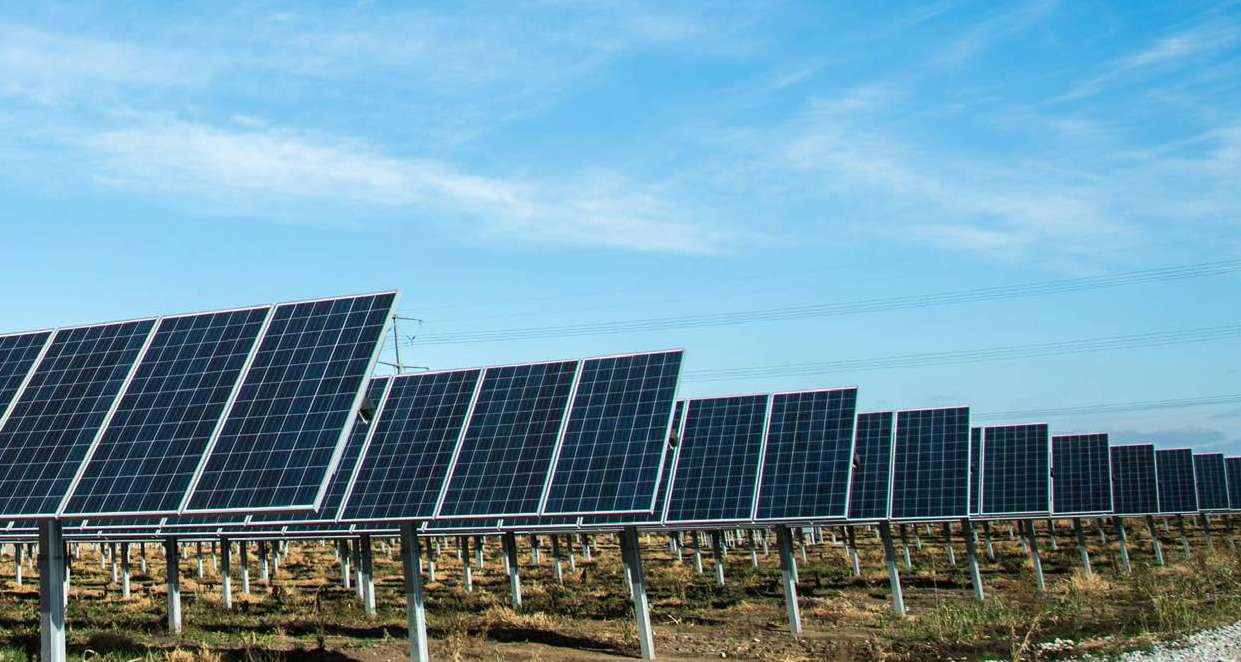
GEF Latam's investment in Automa reflects the potential not only for renewable energy generation but also for the entire ecosystem, including infrastructure and technology aspects. The company offers technological solutions for energy management, specifically for the operation of systems, digitization of operations, and substation control.
Automa's core value proposition is to increase energy efficiency throughout the energy chain – from a 0.5% improvement for solar energy to 5% in hydroelectric energy, for example. These percentages can result in significant savings, depending on the scale of the solutions being implemented for Automa's clients and the country. For instance, a 1% efficiency improvement in a 400 MW energy system is equivalent to the installed capacity of Órigo's solar system. This level of efficiency improvement is even more critical considering that energy losses in the country – from generation to distribution – are approximately 15% in Brazil, compared to a global average of 3%. The company already serves about 25% of Brazil's installed hydroelectric capacity.
GEF Latam's investment in Automa has also been key to supporting the company's internationalization, team growth, and technological advancement. Automa has already delivered projects in countries such as France, Chile, the USA, and Colombia, for example.
38.4 MW
of capacity served by the company’s solutions in 2023
48,500
tons of CO2 emissions avoided
Rise Ventures is a Private Equity manager founded in 2016 with the purpose of making investments that combine positive, concrete, measurable, and auditable socio-environmental impact with attractive financial returns.
The manager invests agnostically in early growth equity companies, with which it develops a value creation agenda based on three essential pillars: impact, governance, and people.
Between 2016 and 2020, Rise made investments via club deals using partner proprietary capital, building its initial track record. From 2020 onwards, after obtaining regulatory approval from the CVM, Rise launched its first investment vehicle, Rise 1 FIP, with R$150 million allocated.
The fund holds a portfolio of 7 companies operating in at least one of Rise's three verticals: social, nature, and well-being.
61,000 kWp
of installed renewable energycapacity
Alba
Energy
138.1 Million
liters of water saved
Beleaf
Agribusiness & Food
258 tons
of CO2 emissions avoided
Beleaf
Agribusiness & Food
R$76.6 million
transferred to partner sorting centers
EuReciclo
Recycling
Over R$765 million
in credit granted to low-income individuals
Jeitto
Financial Inclusion
96,500
people with access to quality testing
Hilab
Health

4,400 tons
of CO2 emissions avoided
Alba
Energy
2.5 Million m2
of land saved
Beleaf
Agribusiness & Food
1.3 million tons
of post-consumer waste offset
EuReciclo
Recycling
4.7 million
clients with approved credit limit
Jeitto
Financial Inclusion
372,000 tons
of treated effluents returned to the river
Okena
Environment
138,400
exams performed
Hilab
Health
Over 17,600
students impacted
Alicerce
Education
Alicerce Educação is a company created to contribute to the development of the educational foundation of the Brazilian population, offering solutions for school support and professional qualification.
The company aims to reduce the learning gap in Brazil by using proprietary methodologies to help students recover up to one year of educational delay in just two months, at an affordable cost. Students are also trained in emotional and social skills and then follow an individualized learning plan.
The company's goal is to reach 500,000 students by 2027 and, in the long term, impact 10 million students.
A solar system integrator: prospecting, selling, designing, purchasing, installing, and monitoring photovoltaic systems. Headquartered in Minas Gerais, with over 10 years of experience and more than 800 projects delivered. Its main focus is on cities in the interior of the state and small to medium-sized business customers.
51,000 kWp
of installed capacity in 2023
640 tons
of CO2 emissions avoided by 2023
A company specialized in the treatment of effluents and industrial sludge, with a differential in speed and personalized solutions. Included in Rise's portfolio since 2021, it operates a plant in Itapevi with significant space for expansion and is one of the few in Brazil with integrated physical-chemical and biological treatment lines.
Jeitto is a Brazilian fintech that offers responsible financial and credit solutions for the base of the pyramid population in Brazil, a segment historically underserved. The company focuses on financial inclusion – 79% of loans are granted to people in classes C, D, and E, through two types of products: credit limit and personal loans.
Jeitto began operations in 2019 and has granted R$566 million in credit. Since 2017, the company has provided credit to more than 1.9 million people through its two products: a monthly credit limit to be used as needed by selected clients, and personal loans with larger amounts and longer terms. The startup uses artificial intelligence for credit analysis.
In Brazil, 40% of the adult population — about 64 million people — had negative credit records as of September 2022.
3.8M de clientes
with approved credit limit in 2023
R$1.764,00
was the average income of creditworthy clients in 2023

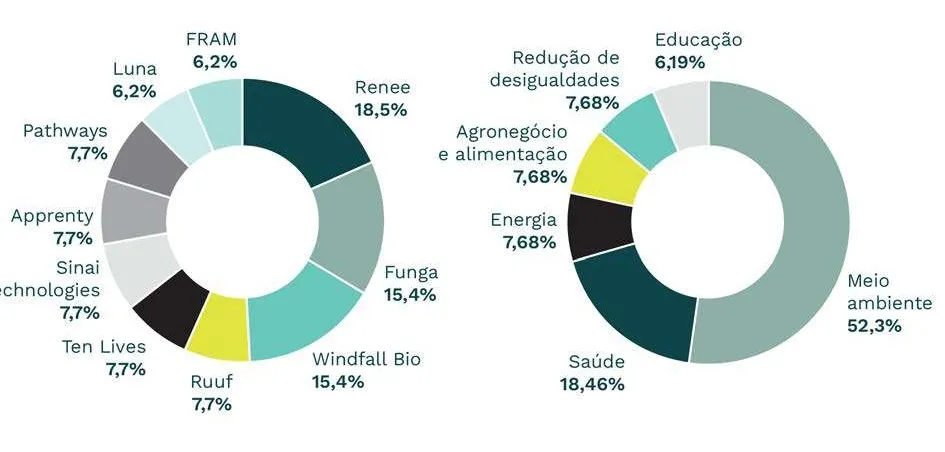
Positive Ventures DIF II is Positive Ventures' second fund and follows a similar thesis to the first fund — investing in entrepreneurs committed to solving major social and environmental challenges.
The fund made its first investment in August 2022, in Ruuf, a one-stop shop company for installing solar panels in homes and small businesses. Other key investments include Funga, a company that uses fungal microbiomes to enrich forest biodiversity and combat climate change by introducing fungi into degraded areas; and WindFall Bio, a company that uses micro-organisms that consume methane to transform it into nitrogen-rich organic nutrients, allowing farmers and other clients to convert greenhouse gases into agricultural benefits.
1.05 MW
of installed capacity
Ruuf
Energy
497 kg
of CO2 emitted less in theproduction of Ten Lives protein compared to beef protein
Ten Lives
Agribusiness & Food
160 million
tons of CO2 mapped
Sinai Technologies
Environment
1,700 hectares
under carbon lease
Funga
Environment
158.7 tons
of CO2 emissions avoided
Ruuf
Energy
25,000
users on the platform
Renee
Health
840
decarbonization projects
Sinai Technologies
Environment
800
degraded forest sites restored
Funga
Environment
12,500
books produced
Luna
Education
FIP MOV 2 focuses on Nature-Based Solutions that can help strengthen a new sustainable development paradigm for the Brazilian Amazon, supported by businesses that value the forest and its biodiversity, reduce deforestation, regenerate degraded areas, and promote social well-being and prosperity in the region.
Among its investment theses are bioeconomy, agriculture, and native forests, as well as healthy food systems for people and the planet, such as Amazonian ingredients and their supply chains. Complementary theses include enablers of sustainable development, such as traceability and logistics management, and education for the future of work, such as programming schools and solutions to increase the number of students graduating from higher education.
The companies invested by MOV 2 as of March 2025 were:
Estímulo was created in 2020 as a "relief fund" to help entrepreneurs affected by the Covid-19 pandemic, offering more accessible credit and management courses. Over the course of its operations, it managed to receive all its capital back. This capital, approximately R$40 million from donations, became the subordinated quota of a FIDC (Receivables Investment Fund).
With an innovative blended finance structure, by November 2024 the fund had R$80 million, of which R$50 million were subordinated quotas – offering more security to senior investors.
Estímulo promotes productive inclusion at the grassroots of the economy, developing small entrepreneurs to become agents of impact in their businesses and communities. In recent years, the initiative has released approximately R$300 million in credit to more than 4,000 small businesses across various regions of Brazil, of which 90% are located in low-income areas, 54% are led by women, and 28% accessed formal credit for the first time.
In addition to providing credit, Estímulo created a training program that has already served over 12,000 entrepreneurs. This support not only helps them achieve their business goals but also improves the portfolio's financial performance by reducing default risks.
In 2024, Estímulo became a Harvard Business School case study. The university highlighted the organization's blended finance model and addressed the challenges of transitioning from a non-profit model to a financially sustainable impact fund. The study was led by Professor Vikram Gandhi, who teaches Sustainable Investing in the MBA program. Estímulo's key coordinators, Vinicius Poit and Lucas Conrado, participated in the case presentation in Boston.
R$262 million
in financing for micro and small businesses across the country
FIDC Estímulo
Financial Inclusion
43,000
jobs impacted
Diversified portfolio
Financial Inclusion
4,200
micro and small businesses supported
Diversified portfolio
Financial Inclusion
90% financial
support
in low-income areas (C, D, andE classes)
Diversified portfolio
Financial Inclusion





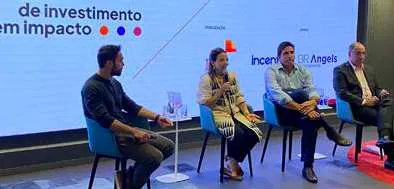

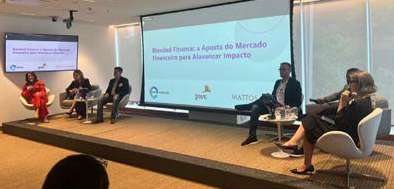


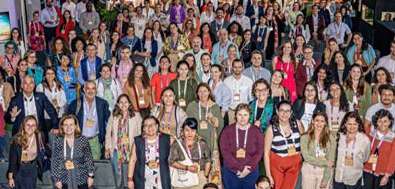
The future doesn't come to us...
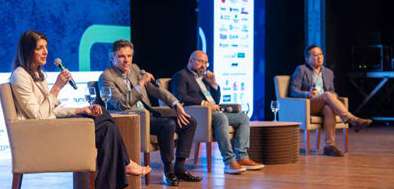
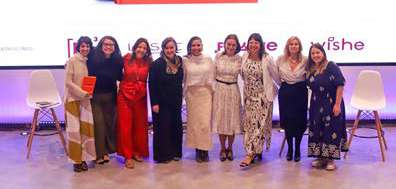
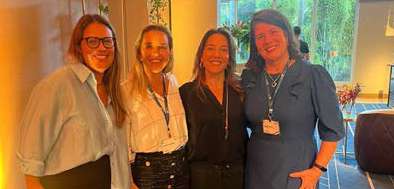
We believe in the power of markets and financial innovation to scale solutions aimed at addressing the most urgent social and environmental issues. We are committed to supporting the development of the sustainable finance and socio-environmental impact ecosystem in Brazil, and we engage in relevant initiatives with transformative power.
B Corps are businesses that balance purpose and profit, considering the impact of their decisions on their workers, clients, suppliers, community, and the environment.
The goals of B Corps include: reducing inequality and poverty levels, creating a healthier environment, fostering stronger communities, and generating more high-quality jobs with dignity and purpose.
B Corps are companies that seek to be the best FOR the world and not just the best IN the world.A Wright Capital is B Corp.
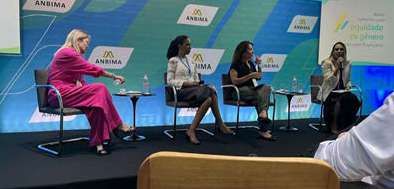
Our partner, Fernanda Camargo, is a Board Member at Anbima, the Brazilian Financial and Capital Markets Association. The organization has four commitments: to represent, self-regulate, inform, and educate.
Anbima represents banks, asset managers, brokerages, distributors, and administrators. Currently, there are 305 associated institutions, 1,394 institutions following Anbima's Code, and 376,000 certified professionals.
This working group began in 2020, and one of its main achievements was the creation of the regulation for the Sustainable Investment Fund (IS Funds): funds whose goal/mandate is sustainable investment will now carry the suffix IS (Sustainable Investment) in their name. The portfolio must be aligned with purpose and a clearly defined investment thesis.
It is also necessary to define and disclose the strategy, methodology, and data that support portfolio management, as well as to carry out due diligence and monitoring actions to assess ESG objectives. If indices are used as a reference, they must also be aligned with the product's sustainable commitments.
Its purpose is to foster Diversity & Inclusion in the financial sector. Members must be committed to promoting equity of opportunities and building cultural barriers against exclusion to drive meaningful change, which is essential for the future of society and the market. It is about creating better practices for people, businesses, and the financial system.
This network focuses on four main agendas: climate change and biodiversity; human rights and a just societal transition; financial mechanisms and instruments; governance and leadership.
Since 2016, Wright Capital has participated in the LAB Financial Instruments & Impact Investment Working Group, which aims to channel capital to business models that address social needs through innovative financial instruments. This group works on topics such as blended finance, Diversity in the Financial System, and Impact Management Metrics.
We also occasionally participate in the Green Finance Working Group, which aims to strengthen sustainable finance in Brazil by proposing financial solutions and risk mitigation to unlock resources for projects with socio-environmental co-benefits. Topics include Green Bonds, Sustainable Infrastructure Financing (Nature-Based Solutions), Agriculture, and Sustainable Land Use.
The National Strategy for Impact Investment and Business (ENIMPACTO) is an initiative coordinated by various ministries, development agencies, and civil society organizations. Its objective is to promote an enabling environment for the development of impact businesses and investments. Our partner, Fernanda Camargo, is a member of the Economy & Impact Committee, representing Anbima.
We participate in discussions on ESG and sustainable investment topics at ABVCAP events.
The IEER is an index that measures racial imbalance within a company using a mathematical model. It analyzes workforce composition, average salaries, and racial distribution by position and region where the company operates. The IEER can be improved through the adoption of affirmative actions and the execution of social investments focused on racial equity.
Latimpacto promotes the exchange of knowledge on innovative and effective models of impact management, measurement, and financing, facilitating connections and encouraging collaboration and co-investment. It connects the entire capital continuum, prioritizes impact using tools linked to Latin America, and is part of a global movement of Venture Philanthropy networks. By linking philanthropists and social investors, it seeks to mobilize more human, intellectual, and financial capital for the impact ecosystem. Wright Capital helped in the formation of the network and is currently part of its Council.
Philanthropic endowment funds were regulated on January 4, 2019, under Law 13.800/19. Endowment funds can be created by public or private institutions, provided they are non-profit, to support causes of public interest such as health, education, or human rights. According to the law, the funds must be administered by non-profit organizations exclusively for their purposes, with income derived from donations or the endowed assets. Wright Capital is part of the Coalition and sponsored the Philanthropic Endowment Funds Yearbook by IDIS.
Organized by the Rockefeller Foundation and the International Venture Philanthropy Center (IVPC), the GSIC is composed of senior leaders from public, private, and philanthropic institutions across the Global South. The group presented its official statement to G20 leaders at the Think20 Seminar in Bali, Indonesia:
Mobilizing Catalytic Capital for the Global South: counteracting the asymmetric flow of financial resources (liquid assets from developing economies to developed economies), by leveraging at least 1% of total global wealth for impactful and inclusive implementation in the Global South.
Supporting Capacity Building to Enable Absorption of Catalytic Capital: investing in the development of institutional capacities to meet local needs as a critical means to reduce the cost of achieving the SDGs.
Integrating Decarbonization: creating a global framework for "low-carbon development" that can be accelerated through collaboration.
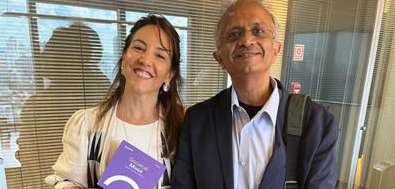
Another transformative story was our connection with India. At an impact fund lunch in 2017, we first heard about Aadhaar, India's digital identity, which transformed an entire nation. They introduced us to Sahil Kini, one of Aadhaar's early employees, who became a friend. In 2018, we introduced Nandan Nilekani, founder of Infosys and the coordinator of this movement in India, to the Brazilian government. We also connected the World Bank ID4D team to the Ministry of Finance technicians. Since then, we've fostered several connections between India and Brazil.
India has DPI, a Digital Public Infrastructure (DPI) that includes an identity layer called Aadhaar; a payments system functioning as the Unified Payments Interface; and a data-sharing layer as an account aggregator, among other services. India's DPI has been endorsed by various countries, including Brazil, and international organizations like the International Monetary Fund and, more recently, the G20.
In March 2024, our partner Fernanda traveled to India for the Society for Social and Economic Thinking event, and in November, we organized a dinner for Sanjay Purohit, the movement's chief curator, where he shared how this organization, created by Nandan and Rohini Nilekani and other philanthropists, empowers and, through technology, scales social ventures in the Global South.
In Brazil, Centre for Exponential Change and Instituto Beja are working together on this. Sanjay also discussed DPI and how it is evolving in India. We invited Ciro Avelino, advisor to Gov.br, who in 2018 worked at SETIC and shared how the connections made in 2017 are bearing fruit to this day. Many stakeholders from our Digital Government sector have since visited India. Now with DPI, exchanges between India and Brazil continue to grow.
In addition to participating in these groups, over the years, we have organized meetings at our home to discuss philanthropy, venture philanthropy, blended finance, catalytic capital, nature-based solutions, digital identity... always connecting people from the private sector with heroes from the public sector. Many seeds were planted in these meetings.
There are countless stories of businesses that were inspired by these gatherings, and funds that were specifically created for ESG or impact, reflecting a shift in mindset for many managers that started with these conversations.
Over the years, we have also issued countless provocations to executives and large companies, many of which led to effective changes in mindset and operations.
Beyond fieldwork, we also engage in various forums alongside regulators and government entities, aiming to strengthen and enhance ESG and impact-related regulations.
We believe in sharing knowledge, working together, listening to people with different perspectives, building bridges, and persisting — some changes may take a lifetime.
“Change is natural, change is eternal, but we often want other people to change, we want the world to change, whereas Mahatma Gandhi said that we have to be the change that we want to see in the world, we have to be the examples of a new story and a new way of life, a way of life which is sustainable, fulfilling, joyful, and not stressful. How can we do it? We have to take control back to our lives, we have to be empowered and discover that we have enormous capacity and potential to be someone who we really are, truly ourselves. Every one of us has the potential to offer great things. The journey begins from ourselves, and the journey of change and being the change is not something which can happen overnight, step by step, day by day. Every day we have to live a life which is sustainable, fulfilling, and just.”
– Satish Kumar
At Wright, we have always believed in the power of love, in empathetic relationships, in helping everyone selflessly and with all our heart. On this journey, we have made friends, worked mindfully, and steered ourselves toward our missions, learning to appreciate the path and savor each moment.
Seeing the tireless efforts of those who want a better world inspires us and drives us to move forward. It takes courage, creativity, and a lot of empathy. We have heard so many incredible stories and connections that once seemed utopian but are now becoming reality.
Regardless of what name or label we give it going forward, no one should ever disregard ESG criteria (Environmental, Social, and Governance) as risk factors to be considered in investment decision-making. It has become increasingly clear that there is no going back to the status quo, once we understand that slave labor, environmental destruction, disrespect toward clients and suppliers, corruption, and so many other factors should never have been tolerated for so long.
Over these years at Wright, we have learned about using ESG criteria, portfolio restrictions on toxic assets, impact investments across different asset classes, the innovative approach of Venture Philanthropy, and the importance of customized and catalytic capital (Blended & Tailored Financing) and intermediaries. We have engaged in countless advocacy and philanthropy networks. We learned about green bonds, social bonds (debt solutions for social problems), decarbonization and offsetting solutions, Nature-Based Solutions, degraded land regeneration, agroforestry systems, Digital ID, Amazon 4.0, artificial intelligence for good (AI for Good), among many other relevant topics.
We have met anonymous heroes from various governments and remote corners of the world, free from ideology, full of dreams, and willing to work for a fairer and more prosperous society. We have met people with incredible life stories all over the world. And we reached the conclusion that: it was all worthwhile, but at the same time, we have changed our reality by counting not only on the State but also on the third sector.
Maybe we are dreamers. But while the world suffers amidst wars, climate change, fake news, and other evils, we hope that those who are awakening and those already awake will unite and act. We respectfully welcome everyone, without judgment. But we also have real personal and business stories to pass on to our children and grandchildren.
To continue this journey together, we wish for more empathy, less attachment, fewer beliefs, more solidarity, more compassion, fewer egos, fewer judgments, more love… May we be humble and humane. May we act from our heart, regardless of the label. May we have a purpose, and in others, find the best in ourselves. May we remember every day that we are finite. May we learn to lose to win, to shrink to grow. May dreams persist despite setbacks.
May we question what we have built so far and how we can create a fairer and more respectful world for both the environment and us, after all, we are all connected.
Wright Capital
Wright Capital Gestão de Recursos Ltda. ("Wright Capital") does not market or distribute shares of investment funds or any other financial assets. This material is for informational purposes only and is intended for the exclusive use of its recipient. The information contained herein is strictly confidential and should not be used by anyone other than the intended recipient, nor disclosed to third parties without the prior and express consent of Wright Capital. This material does not constitute an official investment statement regarding the referenced funds or assets, which shall be prepared and sent by the fund administrator in due course, when applicable. In case of discrepancies between the information contained herein and that of the monthly statement issued by the fund administrator, the information in the monthly statement shall prevail. Discrepancies may occur due to different calculation methods and presentation formats. Net asset values of investment funds mentioned in this document are net of expenses (i.e., fees, commissions, and taxes). Fund returns presented are not net of taxes. Investment funds may use derivative strategies as an integral part of their investment policies. Depending on how they are employed, such strategies can result in significant capital losses to investors, potentially exceeding the invested capital and resulting in the obligation for investors to contribute additional resources to cover the fund's losses. For a reliable performance evaluation of any investment fund, we recommend a minimum analysis period of 12 (twelve) months. Multimarket funds with equity exposure and equity funds may have significant exposure to a small number of issuers, along with the inherent risks of concentration. Private credit funds are subject to substantial capital loss risk in the event of non-payment by the issuers of the securities in their portfolios, including due to regulatory intervention, liquidation, administration, bankruptcy, or judicial/extra-judicial recovery of such issuers. Any comparisons to market indices included in this material are for reference only and do not constitute performance guarantees by Wright Capital. Past performance is not indicative of future results and is not guaranteed by Wright Capital, any of its affiliates, the administrator, any insurance mechanism, or the Brazilian Credit Guarantee Fund (FGC). Investors are strongly encouraged to carefully read the fund's bylaws and prospectuses before investing. Investments inherently carry risk, including the possibility of total capital loss. This document does not represent a legal, financial, or other professional recommendation by Wright Capital and does not take into account the particular situation of any individual. The use of the information herein is at the user's own risk. Before making any investment decisions, Wright Capital recommends consulting with your own legal or financial advisor.
Download the full version of the report and share it to contribute to the dissemination of impactful initiatives.

Please fill in your details below to receive the full PDF version of this report.